

NPC Page Template
FFs68 - Southern Floodplain Forest
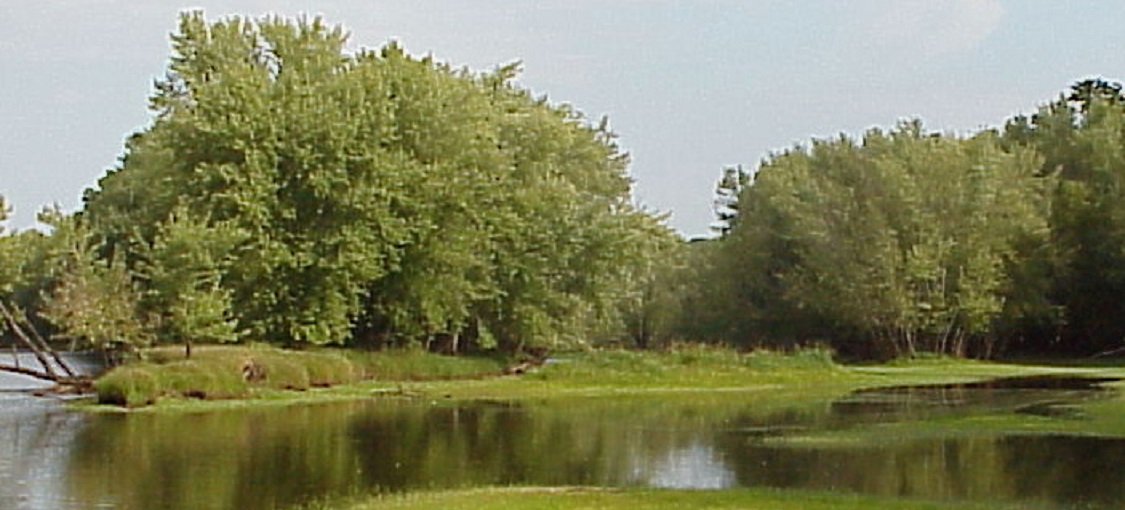
Vegetation Structure & Composition
Description is based on summary of vegetation data from 27 plots (relevés).
- Ground-layer cover is generally very sparse during spring due to inundation and scouring by floodwaters, becoming variable by midsummer (5-50% cover) and characterized by annual or flood-tolerant perennial species. Important herbaceous species include false nettle (Boehmeria cylindrica), clearweeds (Pilea spp.), Ontario aster (Symphyotrichum ontarionis), Virginia wild rye (Elymus virginicus), cut grasses (Leersia virginica and L. oryzoides), hop umbrella sedge (Carex lupulina), and cattail sedge (C. typhina). Wood nettle (Laportea canadensis) often forms dense patches. Species typical of wetland communities are also often present, including mad dog skullcap (Scutellaria lateriflora), southern blue flag (Iris virginica), and beggarticks (Bidens spp.). The invasive species kidney-leaved buttercup (Ranunculus abortivus), creeping Charlie (Glechoma hederacea), moneywort (Lysimachia nummularia), motherwort (Leonurus cardiaca), yellow wood sorrels (Oxalis stricta and O. dillenii), garlic mustard (Alliaria petiolata), and reed canary grass (Phalaris arundinacea) are present in my stands and sometimes abundant.
- Climbing plants and vines are important in this community; characteristic are climbing poison ivy (Toxicodendron radicans var. negundo), wild grape (Vitis riparia), and moonseed (Menispermum canadense).
- Shrub-layer and subcanopy are mostly sparse (0-25% cover) and occasionally patchy (25-50% cover); silver maple, green ash, American elm, and hackberry are most common. Climbing poison ivy is occasionally present in the tall-shrub layer. Silver maple seedlings are often abundant
Landscape Setting and Soils
Floodplains — Common. Often the dominant vegetation on active floodplains of medium to large rivers in the deeply cut bedrock valleys of the Minnesota, lower St. Croix, and lower Mississippi rivers and their larger tributaries. Parent material is deep, complexly stratified sandy alluvium with a silty cap. The parent material may or may not have been calcareous originally, although free carbonates are rarely present now. Biogenic carbonates such as snail shells are occasionally present. Gray soil colors occur within 40in (100cm) of the surface and indicate permanently saturated conditions below. Annual flooding is typical. Soils are somewhat poorly or poorly drained. Soil-moisture regime is very moist. (PPL; Anoka Sand Plain, St. Paul Baldwin Plains and Big Woods in MIM; Minnesota River Prairie CGP)